Enjoy 20% off your first order!
Natural Colorants vs. Mica in Artisan Soapmaking: | Section 6: Why Natural Colorants Matter in Artisan Soapmaking
Natural colorants matter because they offer both beauty and skin-loving benefits, adding integrity and purpose to every bar of soap. Their soft, earthy hues and natural origins support eco-friendly, holistic branding while creating truly artisan products.
Shellylynn Henry, MS
12/5/20251 min read
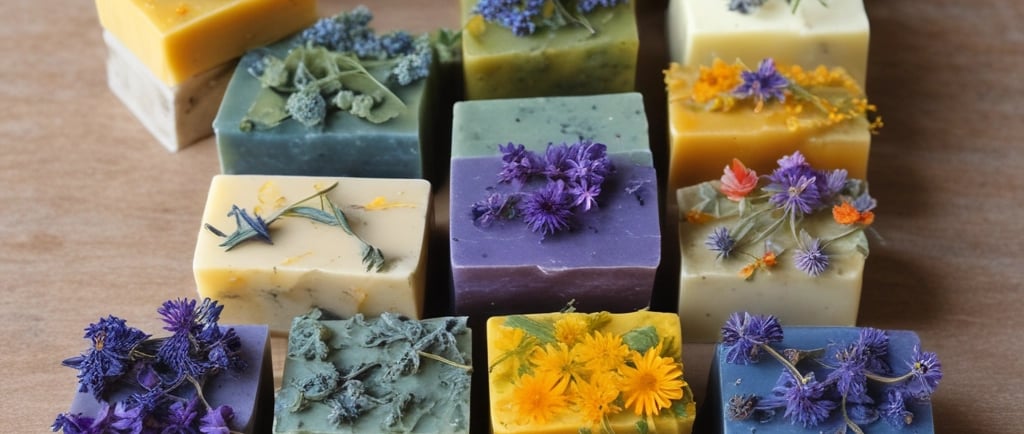
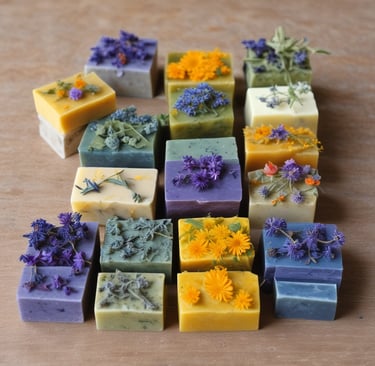
Natural colorants carry a depth of meaning and benefit that goes far beyond appearance. For many soapmakers, choosing botanicals, clays, and plant-based powders is a way of returning to ingredients that are wholesome, simple, and close to the earth. These colorants connect the maker—and the user—to nature through materials that have been used for centuries in bathing, skincare, and herbal wellness traditions.
From a functional standpoint, natural colorants often provide more than color. Ingredients such as chamomile, turmeric, alfalfa, and clays contribute gentle skin benefits, minerals, antioxidants, and soothing properties. This dual purpose differentiates them from mica, which is primarily cosmetic. When customers choose naturally colored soaps, they often appreciate knowing that every component of the bar serves a purpose—whether calming, cleansing, detoxifying, or nourishing.
Natural colorants also bring soft, earthy, and authentic tones that can’t be exactly replicated by synthetic pigments. Their hues shift slightly with batch variations, creating a natural artistry that celebrates the uniqueness of handmade soap. These colors remind the buyer that the bar they hold was crafted by hand, not mass-produced.
Finally, for environmentally conscious soapmakers, botanicals and clays provide a sustainable, biodegradable alternative to lab-created mica. This choice aligns with holistic, eco-friendly brand identities (such as your Lavender & Lemongrass Soap Co.), where purity and natural beauty are part of the story your products tell.